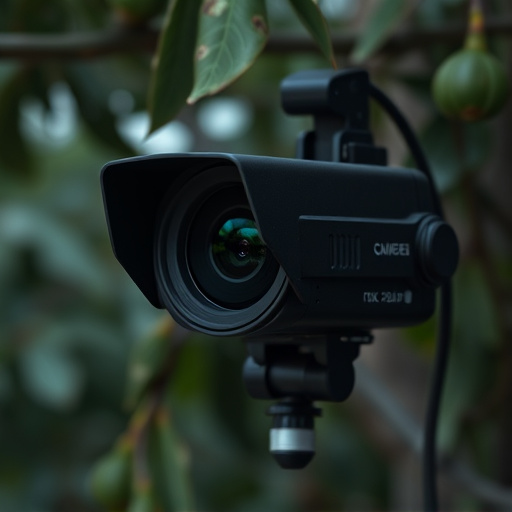
RF (Radio Frequency) detectors are advanced tools that uncover hidden cameras, offering a discrete security solution. High-quality, realistic-looking security decoy cameras placed at entry points deter intruders and mimic genuine equipment with intricate designs. An effective multi-layered approach combines these decoys with RF sweeps, targeting signal fluctuations from 2-20 GHz, and dynamic signal patterns to prevent disabling of surveillance equipment. Regular updates ensure protection against evolving threats, leveraging advanced RF detector sweep technology and realistic security decoys for maximum effectiveness.
Uncover hidden threats with our comprehensive guide on RF detector sweep hidden camera tutorials. Learn how to identify and neutralize covert surveillance devices using specialized RF technology. We explore the fundamentals of RF detectors, dissecting their capabilities and limitations.
Discover the art of selecting the most realistic looking security decoys for effective deterrence, mimicking everyday objects to fool potential intruders. Then, master the step-by-step process of detecting hidden cameras using RF sweep techniques. From optimal placement strategies to advanced tips and common pitfalls, this guide equips you with the knowledge for comprehensive protection.
- Understanding RF Detectors and Hidden Cameras: Unveiling the Basics
- Choosing the Most Realistic Looking Security Decoys for Effective Deterrence
- Step-by-Step Guide: Detecting Hidden Cameras Using RF Sweep Techniques
- Placement Strategies: Where to Position Your Security Decoys for Optimal Protection
- Advanced Tips and Common Pitfalls to Avoid When Using RF Detector Sweep Hidden Camera Systems
Understanding RF Detectors and Hidden Cameras: Unveiling the Basics
RF (Radio Frequency) detectors are cutting-edge tools designed to uncover hidden cameras, offering a discrete and effective security solution. These devices operate by scanning for RF signals emitted by digital devices, including those used in covert surveillance equipment. Understanding how RF detectors work is essential when it comes to countering the most sophisticated hidden camera systems.
Hidden cameras, or surveillance decoys, have evolved into incredibly realistic looking security measures, making them hard to detect with the naked eye. From small, subtle cameras disguised as everyday objects to advanced digital setups, these devices can be easily concealed in various environments. RF detectors provide a way to identify and neutralize such hidden threats by targeting the wireless communication signals they emit, ensuring that even the most realistic-looking security decoys are exposed.
Choosing the Most Realistic Looking Security Decoys for Effective Deterrence
When setting up a security system, selecting the most realistic-looking decoy cameras is key to effective deterrence. These decoys should mimic real security equipment to trick potential intruders and make them think your property is well-protected. Avoid overly obvious fakes that might raise suspicions; instead, opt for models with intricate designs, LED indicators, and clear display panels. The goal is to create an authentic appearance that blends seamlessly with your actual security setup.
Proper placement is also crucial. Mount these decoys in strategic locations where they have a clear view of potential entry points, such as windows, doors, and dark corners. Regularly changing their positions can further enhance realism and keep would-be thieves guessing. By combining high-quality decoy cameras with smart placement, you create an environment that discourages unauthorized access, acting as a powerful deterrent against hidden camera sweeps and theft attempts.
Step-by-Step Guide: Detecting Hidden Cameras Using RF Sweep Techniques
Step-by-Step Guide: Detecting Hidden Cameras Using RF Sweep Techniques
The first step in detecting hidden cameras using radio frequency (RF) sweep techniques is to identify potential areas where a camera might be concealed. This involves a thorough inspection of the space, focusing on common hiding spots like corners, behind furniture, or within walls. Once these areas are targeted, it’s time to employ RF detectors. Start by powering on your detector and selecting the appropriate frequency range—typically between 2-20 GHz—to capture signals from modern hidden cameras. This process is crucial as different camera types operate on varying frequencies, so precise targeting ensures more accurate results.
Next, conduct a systematic sweep of the area, moving the detector in a methodical pattern to cover every angle and corner thoroughly. Pay close attention to any sudden spikes or fluctuations in signal readings; these could indicate the presence of an active hidden camera. Additionally, using most realistic-looking security decoys like dummy cameras can help distract and mislead potential intruders while you conduct your sweep. As you detect signals, mark the locations for further investigation, ensuring you document each step for future reference. This meticulous approach enhances the chances of uncovering hidden surveillance equipment, making RF sweeps an invaluable tool in maintaining privacy and security.
Placement Strategies: Where to Position Your Security Decoys for Optimal Protection
When it comes to placement, strategic positioning is key. The most effective security decoys are those that blend seamlessly into their environment, fooling even the most discerning eye. Consider high-traffic areas, such as hallways and common rooms, where a hidden camera could easily go unnoticed among everyday objects. Place your decoys at eye level or slightly below; this mimics real surveillance equipment while avoiding detection by casual passersby.
The best decoys also account for human behavior. For instance, positioning a realistic-looking camera near a water fountain or plant can create an unexpected visual disruption that draws attention away from potential recording devices. Additionally, consider the use of moving parts—a decoy with a swinging arm or rotating lens—to further enhance realism and deter would-be installers.
Advanced Tips and Common Pitfalls to Avoid When Using RF Detector Sweep Hidden Camera Systems
When using RF detector sweep hidden camera systems, there are several advanced tips to maximize their effectiveness. One crucial tip is to combine visual decoys with your RFID technology. Place most realistic-looking security decoys in strategic locations to confuse potential intruders and draw them away from your actual surveillance equipment. This multi-layered approach makes it harder for unauthorized individuals to identify and disable your monitoring system.
Another important consideration is to regularly update and test your RFID signals. Hidden camera systems can be compromised if the RFID frequencies become predictable or easily detectable. Ensure you employ dynamic signal patterns that change over time, making it more challenging for potential thieves to intercept or jam the signals. Stay updated with the latest technology and security measures to protect against evolving threats, leveraging advanced features offered by modern RF detector sweep hidden camera systems.
In conclusion, equipping yourself with an RF detector sweep hidden camera system is a powerful way to safeguard your privacy and security. By understanding the fundamentals of RF detectors and hidden cameras, selecting the most realistic-looking security decoys, and implementing effective placement strategies, you can significantly deter potential threats. Remember, staying proactive in securing your space is key, and these advanced techniques offer a robust solution for modern protection needs.