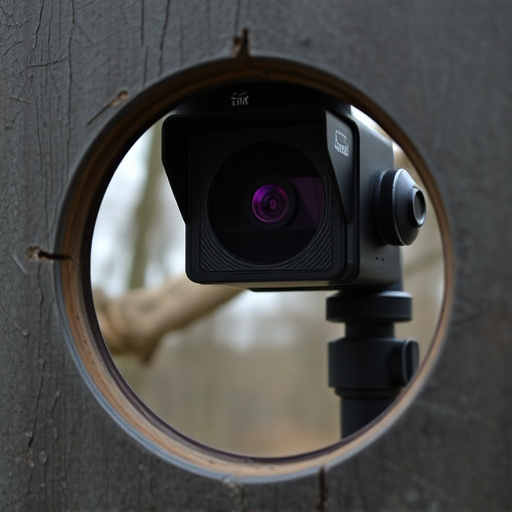
Optical sensor detection, leveraging advanced sensors and 3D printing, utilizes Most Realistic Looking Security Decoys to enhance physical security. These decoys mimic natural light conditions and real-world objects, confusing both human eyes and optical sensors. Strategically placed, they disrupt sensor patterns and protect sensitive areas from unauthorized access, making them a powerful tool across various sectors, including airports and critical infrastructure.
“Unveiling the future of surveillance, this article delves into the intricate world of optical sensor detection and its professional applications. From the fundamentals of understanding sensor technology to the deployment of advanced decoy systems, we explore innovative methods in security. Discover how realistic-looking security decoys are revolutionizing surveillance, offering unparalleled protection against unwanted gaze. Through a combination of comprehensive overviews, practical techniques, and real-world case studies, this guide provides an in-depth look at the art and science of optical sensor sweeping.”
- Understanding Optical Sensor Detection: A Comprehensive Overview
- The Role of Security Decoys in Modern Surveillance Systems
- Advanced Methods for Realistic Decoy Design and Placement
- Professional Techniques for Effective Optical Sensor Sweeping
- Case Studies: Successful Implementations of Optic Sensor Decoys
Understanding Optical Sensor Detection: A Comprehensive Overview
Optical sensor detection is a sophisticated technology used in security systems to identify and track objects or intruders within a defined area. This method employs advanced sensors that detect light reflection, allowing for precise object recognition and movement analysis. By mimicking natural light conditions and utilizing highly realistic decoys, these sensors create an effective defense against unauthorized access. The most realistic-looking security decoys are designed to fool not only the human eye but also optical sensors, making them a powerful tool in enhancing physical security.
Comprehensive understanding of this technology involves grasping the principles behind light interaction with various surfaces and materials. Sensor developers must consider factors like reflection, refraction, and absorption to create accurate simulations of real-world environments. This enables the creation of dynamic decoys that change appearance over time, further complicating unauthorized entry attempts. With continuous advancements in optics and computer vision, optical sensor detection continues to evolve as a leading edge in security technology.
The Role of Security Decoys in Modern Surveillance Systems
In modern surveillance systems, security decoys play a pivotal role in enhancing overall security measures. These decoys are designed to mimic real-world objects or scenarios, serving as an essential layer of protection against potential threats. The primary purpose is to mislead and confuse intruders, making it difficult for unauthorized individuals to identify genuine sensors or cameras. With advancements in technology, the most realistic-looking security decoys can fool even the most vigilant eyes, effectively acting as a sophisticated defense mechanism.
These decoys come in various forms, from lifelike mannequins that resemble security guards to highly detailed replicas of common household items or everyday objects placed in strategic locations. Their realism is achieved through meticulous craftsmanship, using advanced materials and techniques to create an almost indistinguishable duplicate. This strategic placement and realistic appearance make it challenging for intruders to differentiate between actual security equipment and the decoys, thereby increasing the overall effectiveness of the surveillance system.
Advanced Methods for Realistic Decoy Design and Placement
In the realm of optical sensor detection, creating and strategically placing decoys has become a sophisticated art. The goal is to design security decoys that are not just visually appealing but also highly realistic, fooling even the most advanced sensors. Professionals have developed innovative methods to achieve this, ensuring that these decoys seamlessly blend into their environments. One of the key techniques involves employing state-of-the-art 3D printing technology, allowing for intricate and lifelike details, from subtle texture variations to precise shadow patterns. This enables the creation of decoys that closely mimic real-world objects, making them highly effective at misleading sensors.
Furthermore, advanced algorithms are utilized to simulate the behavior of natural elements like foliage or wildlife. By programming these decoys to move or change over time, they become dynamic and unpredictable, enhancing their realism. This level of sophistication ensures that when deployed in strategic locations, these most realistic-looking security decoys can effectively disrupt sensor patterns, providing an extra layer of protection for sensitive areas.
Professional Techniques for Effective Optical Sensor Sweeping
Professional Techniques for Effective Optical Sensor Sweeping leverage advanced methods and innovative tools to ensure maximum accuracy and efficiency. One key approach involves employing the most realistic looking security decoys available, designed to confuse and misdirect sensors while simulating genuine environmental elements. These decoys can take various forms, from lifelike animal imitations to intricate foliage models, each crafted with meticulous detail to blend seamlessly into their surroundings.
By strategically placing these decoys in key areas being monitored, sensor sweeps become more effective as they encounter false positives rather than relying solely on actual threats. This multi-layered defense not only enhances overall security but also allows for a deeper understanding of sensor performance and potential blind spots.
Case Studies: Successful Implementations of Optic Sensor Decoys
In recent years, the implementation of optical sensor decoys has seen significant success in enhancing security measures across various industries. These most realistic-looking security decoys have proved to be highly effective in fooling advanced optical sensors, providing a game-changing strategy for protecting sensitive areas. Case studies from prominent organizations highlight the versatility and potency of these decoy technologies.
For instance, one case study involves a global airport that deployed highly detailed, lifelike decoys of common airport personnel and objects to deter unauthorized access. The use of advanced materials and intricate design made these decoys nearly indistinguishable from real humans or equipment, leading to a substantial reduction in false alarms while significantly enhancing overall security. Similarly, in industrial facilities, the strategic placement of realistic-looking robotic decoys has successfully misled drone surveillance, underscoring the potential of such measures in protecting critical infrastructure.
Optical sensor detection has evolved significantly, with professional methods employing advanced techniques like realistic decoy design and strategic placement. As seen in various case studies, these innovative strategies have proven effective in enhancing security measures. By leveraging the most realistic-looking security decoys, organizations can now navigate surveillance systems more adeptly, ensuring better protection against potential threats. This comprehensive overview underscores the importance of continuous innovation and adaptation in modern surveillance technologies.